10 Fascinating Facts About Cakes That Will Sweeten Your Day
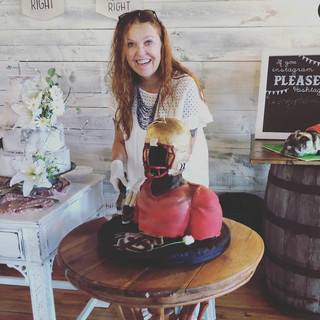
Cake is more than just a sweet treat. It holds a special place in celebrations, traditions, and even history. While most people enjoy cake as a dessert, there is a fascinating world behind its layers, flavors, and shapes. This post invites you to explore some surprising facts and insights about cake that might change how you see this beloved food.
The origins of cake
Cake has been around for thousands of years, but it did not always look or taste like the cakes we know today. Early cakes were more like bread sweetened with honey and nuts. Ancient Egyptians are credited with some of the first forms of cake, often used in religious ceremonies.
The word "cake" comes from the Old Norse word "kaka," showing how cake traditions spread across Europe. Over time, ingredients like sugar, butter, and eggs became common, making cakes lighter and sweeter. The invention of baking powder in the 19th century revolutionized cake baking by allowing cakes to rise without yeast.
Different types of cake around the world
Cakes vary widely depending on culture and ingredients. Here are a few examples:
French gâteau: Known for delicate layers and rich fillings like cream or fruit.
Italian panettone: A sweet bread-like cake with dried fruits, popular during Christmas.
Japanese castella: A sponge cake made with simple ingredients, known for its soft texture.
Mexican tres leches: A moist cake soaked in three kinds of milk, making it rich and creamy.
Each type reflects local tastes and traditions, showing how cake adapts to different cultures.
The science behind baking a perfect cake
Baking cake is both an art and a science. Understanding how ingredients interact helps create the perfect texture and flavor.
Flour provides structure through gluten formation.
Sugar adds sweetness and helps retain moisture.
Eggs bind ingredients and add richness.
Fat (like butter or oil) tenderizes the crumb.
Leavening agents such as baking powder or baking soda create air bubbles that make the cake rise.
Temperature and mixing methods also affect the outcome. For example, overmixing can make a cake dense, while underbaking leaves it soggy. Precise measurements and timing are key to success.
Cake decorating as an expression of creativity
Decorating cake has become an art form. From simple icing to elaborate sugar sculptures, cake decoration allows bakers to express creativity and celebrate special occasions.
Popular techniques include:
Fondant: A smooth, pliable icing that can be molded into shapes.
Buttercream: A creamy frosting that can be piped into flowers or patterns.
Edible paints and dusts: Used to add color and shimmer.
Cake toppers: Figurines or decorations placed on top.
Cake decorating competitions and classes have grown in popularity, showing how much people enjoy turning cakes into visual masterpieces.
Cake in celebrations and symbolism
Cake often symbolizes joy, unity, and milestones. Weddings, birthdays, and anniversaries frequently feature cake as a centerpiece. Cutting the cake together represents sharing happiness and good fortune.
In some cultures, specific cakes carry symbolic meanings. For example:
King cake during Mardi Gras represents the arrival of the Three Kings.
Mooncakes in Chinese culture celebrate the Mid-Autumn Festival and family reunion.
Fruitcakes are traditional during Christmas in many Western countries.
Understanding these meanings adds depth to the experience of enjoying cake.
Tips for baking your own cake at home
If you want to try baking cake yourself, here are some practical tips:
Use fresh ingredients for the best flavor.
Measure ingredients carefully.
Preheat your oven before baking.
Follow the recipe steps in order.
Avoid opening the oven door too often to keep the temperature steady.
Let the cake cool completely before decorating.
Experimenting with flavors like vanilla, chocolate, or spices can make your cake unique. Baking at home also allows you to control sweetness and ingredients, which can be helpful for dietary preferences.


Comments